Retro Diner Design Review
As a designer and embroidery product reviewer, I often find myself evaluating machine embroidery designs for real-world use. The Retro Diner Design caught my attention not just for its nostalgic charm but for how it could translate into practical, high-quality projects. Let me walk through what I found when testing this design in different scenarios.
The First Impression: A Nostalgic Visual Hit
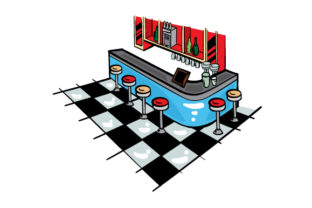
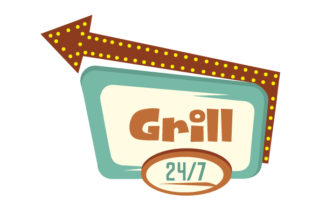
The Retro Diner Design immediately evokes a sense of warmth and familiarity. Its bold lines, classic diner iconography, and vintage color palette make it feel like something you’d see on a 1950s roadside eatery. The layout is clean and balanced, with enough detail to be visually engaging without being overwhelming. It’s the kind of design that feels right at home on custom apparel, kitchen towels, or even baby items meant to bring a touch of retro flair to any space.
The visual personality of the design is playful yet polished. It’s not too busy, which makes it versatile for different applications. Whether you’re working on a tote bag design or an embroidered patch, the Retro Diner Design has a strong presence that doesn’t get lost in the details.
Real-World Embroidery Performance
Testing the Retro Diner Design across various projects gave me a good sense of how it performs in real-life embroidery situations. On a sweatshirt, it looked sharp and well-proportioned, especially when using a medium-sized hoop. The stitch density was consistent, and the satin stitches held up well without puckering or distortion.
On a tote bag, the design added a nice focal point without being too large. It worked well with both light and dark fabric backgrounds, though I noticed that on darker materials, the thread colors needed to be more contrasting to maintain visibility. For baby clothes, the design was appropriate but might benefit from a slightly smaller scale to avoid overwhelming the garment.
I also tested it on a cap, where the curved surface posed some challenges. The corners of the design required careful placement to avoid stretching or distortion. It’s a reminder that while the Retro Diner Design is versatile, it may need extra attention when applied to curved or textured surfaces.
Where to Use It Carefully
While the Retro Diner Design is generally user-friendly, there are a few areas where caution is warranted. If you're working with small hoop sizes, you may need to adjust the design or break it into sections. Thin or stretchy fabrics can cause the stitches to pull or pucker, so using the right stabilizer is key.
On dark fabrics, the design may require a white underlay or a different thread color to stand out. Tiny lettering or intricate details might not hold up well on very dense stitch areas, so it's worth checking the file for any potential issues before starting a project.
For layered garments or products that will see frequent washing, the durability of the design is important. I recommend doing a test run on scrap fabric to ensure the stitches hold up over time.
Impact on Visual Appeal and Customer Perception
The Retro Diner Design has a strong visual appeal that can elevate any handmade product. When stitched properly, it adds a professional touch that customers will notice. It’s ideal for personalized gifts, custom apparel, and boutique merchandise that needs a unique, eye-catching element.
From a customer perspective, the design is instantly recognizable and has a nostalgic quality that can drive engagement. It’s perfect for holiday gifts, wedding favors, or themed merchandise that taps into a love for retro aesthetics.
For small business owners and Etsy sellers, the Retro Diner Design offers a ready-made asset that can be used in printable mockups, digital product previews, or as part of a larger collection. It’s a design that can help build brand consistency and create a cohesive look across different products.
Practical Designer Notes
Before committing to a project, I always recommend testing the Retro Diner Design on scrap fabric. This helps you assess how the stitches look on your chosen material and whether the thread colors work well together.
Check the stitch density to make sure it’s suitable for your project. If the design is too dense, it might cause the fabric to pucker or the threads to break. Confirm the hoop size needed and ensure your machine can handle it. Small details like corners or lettering should be inspected closely to avoid any surprises during the stitching process.
Test the design in black and white mockups to see how it looks without color. Compare it against both light and dark fabric backgrounds to ensure visibility. Using the right stabilizer is crucial, especially on delicate or stretchy fabrics.
Finally, if you plan to sell finished items or digital products, confirm the licensing terms. While the Retro Diner Design seems to be a solid choice for personal and commercial use, it’s always best to double-check the specifics before moving forward.
Final Thoughts on Retro Diner Design
The Retro Diner Design is a solid addition to any embroidery project library. It’s versatile, visually appealing, and has the potential to enhance a wide range of handmade products. Whether you’re creating custom apparel, personalized gifts, or small shop merchandise, this design can serve as a strong foundation for your creative work.
With a bit of care and attention to detail, the Retro Diner Design can become a valuable asset for your craft business or personal projects. It’s a design that feels right at home in the kitchen, on apparel, or as part of a larger creative vision.