Old Vintage Retro Backgrounds
As a designer who’s spent years working with machine embroidery designs, I always start by asking: does this design feel right for real-world use? Old Vintage Retro Backgrounds caught my attention because of its nostalgic aesthetic and potential for creative application. But before jumping into using it in projects, I wanted to evaluate how it performs in practical scenarios.
The First Impression
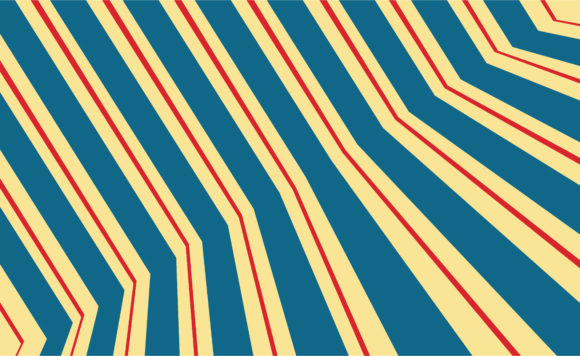
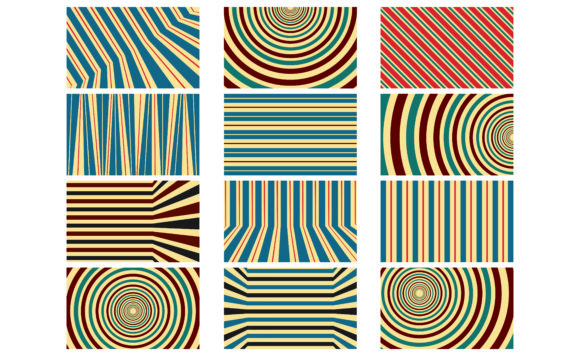
Old Vintage Retro Backgrounds immediately evokes a sense of timeless charm. The design features soft curves, faded textures, and a muted color palette that feels like it belongs in a vintage postcard or antique frame. Its layout is clean but detailed enough to add character without overwhelming the space. This makes it ideal for projects that need a subtle, elegant touch rather than bold statements.
The visual personality of Old Vintage Retro Backgrounds leans toward retro aesthetics—think 70s floral patterns, weathered edges, and hand-drawn elements. It doesn’t scream modern minimalism, which means it fits best in projects that aim for nostalgia, handmade appeal, or artisanal branding.
Real-Life Embroidery Use Cases
One of the first projects I considered was a custom embroidered tote bag for a small shop. Old Vintage Retro Backgrounds could work well as a background for a larger central motif, adding depth and interest without competing with the main design. For example, pairing it with a simple monogram or logo would create a balanced look that feels both professional and personal.
It also has potential for sweatshirt embroidery, especially for seasonal or holiday-themed items. A vintage-style background could serve as a backdrop for text or symbols, making it perfect for personalized gifts or boutique merchandise. For baby items, the soft, gentle lines make it a safe choice that still adds visual appeal without being too busy.
When used as an applique design, Old Vintage Retro Backgrounds could be layered over fabric to create texture and dimension. This might be useful for embroidered patches, aprons, or even pillow covers. The design’s detail level suggests it works best on flat surfaces rather than curved ones, like caps or hats, where the stitching might distort.
Where to Be Careful
While Old Vintage Retro Backgrounds has a lot to offer, there are situations where it may not perform as well. If you’re working with small hoop sizes, the design’s intricate details might get lost or require multiple hooping, which can be time-consuming. Similarly, on textured fabrics or thin materials, the stitch density could cause puckering or uneven results.
On dark fabrics, the design’s muted colors may not show up clearly unless you adjust the thread colors accordingly. This is especially important if you're using it for commercial embroidery or selling finished products. You’ll want to test the design on different fabric types to ensure visibility and durability.
For stretchy fabrics or garments that will be washed frequently, consider how the design holds up. High stitch density areas may wear out faster, so it’s worth checking the stabilizer use and ensuring the design is properly secured.
Impact on Visual Appeal and Customer Perception
Old Vintage Retro Backgrounds adds a unique visual element that can elevate the perceived value of a handmade product. When used correctly, it gives a project a polished, professional look that appeals to customers looking for quality and authenticity. This is especially valuable for Etsy sellers or small shop owners who rely on visual appeal to stand out in crowded markets.
From a branding perspective, the design’s retro vibe can help reinforce a consistent aesthetic across products. Whether it’s a line of custom apparel, personalized gifts, or printable mockups, Old Vintage Retro Backgrounds offers a cohesive style that aligns with many craft business themes.
Customer trust often comes from how a product looks when finished. A well-executed embroidery project with Old Vintage Retro Backgrounds can enhance the giftability of a product, making it more likely to be shared or recommended. It also supports the handmade presentation that many buyers appreciate.
Practical Designer Notes
Before using Old Vintage Retro Backgrounds in any project, I recommend testing it on scrap fabric. This helps you see how the design translates in real life, especially regarding stitch density and thread color contrast. If the design includes small details or tiny lettering, check how they hold up under different conditions.
Also, consider how it works in black and white mockups. Sometimes, a design that looks good in color may not translate well in grayscale, which is important for digital product previews or printable assets. Testing on both light and dark fabric backgrounds ensures versatility.
When working with commercial embroidery or selling finished items, always confirm the licensing terms. Even though the file formats provided (JPG, EPS, PNG, SVG, AI) are standard, the intended use may vary. Make sure the design is suitable for both personal and commercial projects before proceeding.
Finally, don’t skip the stabilizer. Proper support is essential for maintaining the integrity of the design, especially on delicate or stretchy fabrics. It can make the difference between a flawless finish and a distorted, unprofessional result.